.png&w=256&q=75)
Limited personal exposure to DFS
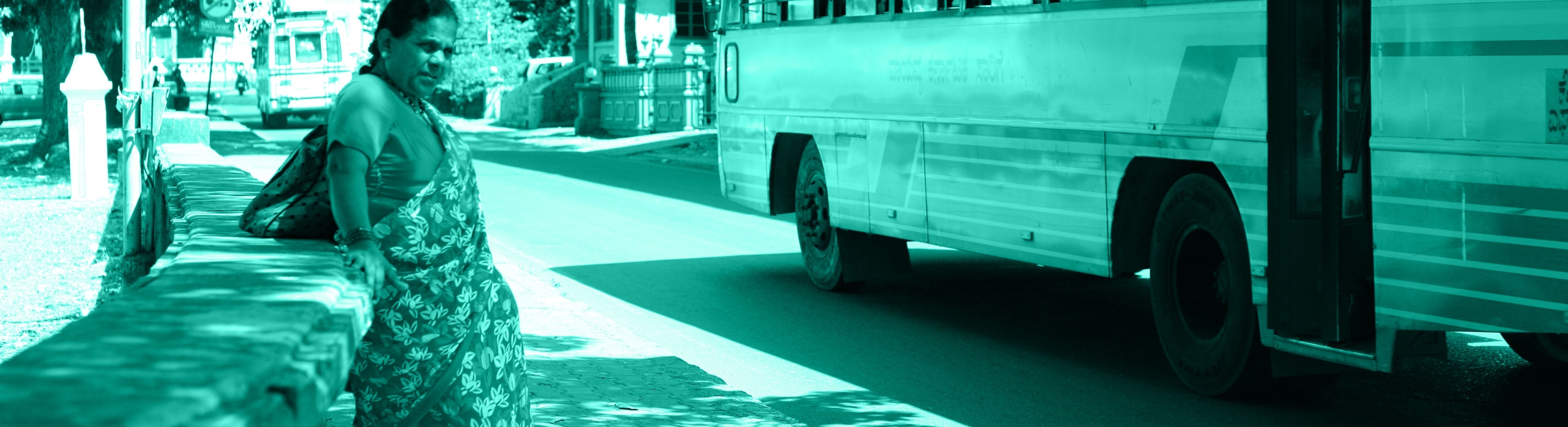
Where women's social networks include few or no digital financial service users, they have little opportunity to observe, learn from, or be encouraged by others' experiences. Trust and social influence are primary drivers of women's adoption to these tools - a study across 60 countries found that 83% of respondents trust recommendations from close relations. Programs most effective in DFS adoption provide a community-based experience.
9 Connected Barriers
Most Relevant Segments
- 01. Excluded, marginalized
- 02. Excluded, high potential
- 03. Included, underserved
- 04. Included, not underserved
Most Relevant Customer Journey Phases
- Phase 1: Account Ownership
- Phase 2: Basic Account Usage
- Phase 3: Active Account Usage
- Phase 4: Economic Empowerment
Key Evidence
For women with limited prior exposure to DFS, trust built through relationships rather than marketing as a primary gateway to engagement. Women are consistently more likely to try and continue using DFS when someone in their trusted network has done so first.
- For some women, multiple recommendations from close relatives and endorsements by authorities are needed to bridge the gap between awareness and trial. Urban women, who are often more equipped with digital skills, are more responsive to referrals and incentives. Adoption of mobile money is heavily influenced by peer reassurance. (GSMA, 2024)
- Personal exposure and social influence are not only important for women without accounts, but also play a role in the success of women entrepreneurs. Family support — especially from a spouse — and social capital are linked to better financial outcomes. Women's financial advancement does not happen in isolation. (World Bank, 2025)
Interventions that tap into existing social structures and community authority-–rather than relying on conventional advertising—have proven significantly more effective at reaching women who are unfamiliar with or skeptical of DFS.
- Marketing that leverages social trust has proven effective in engaging women in economic activity. Phrases such as 'People in your village are saving with XYZ App,' combined with influential community actors, aligns with individuals' natural desire to conform with their community. In Uganda, Chipper Cash's use of a relatable, credible community influencer helped increase awareness and trust in its virtual card product. (DFI, 2025)
Reliance on a family member's device or account creates a critical vulnerability: women who access DFS through someone else's name or password cannot manage their finances privately or autonomously, compromising one of the core benefits of financial inclusion.In contexts where women lack independent DFS experience, introducing digital financial services without complementary household or community support can reinforce rather than reduce dependence on male family members.
- In most economies, 15–30% of phone owners with passwords cannot change them, likely because a family member or shopkeeper helped set up the phone and the owner never learned how. The lack of ongoing digital capability building and support limits users' ability to take full advantage of what DFS has to offer. (Global Findex, 2025)
Interventions that have successfully addressed this barrier
The following Exemplar represents one evidence-based interventions that has shown success in addressing this particular barrier. There may be other Exemplars for this barrier in the larger Barriers & Exemplars Analysis compendium deck.